

 by Peter Cates
John Cougar Mellencamp
John Cougar Mellencamp: Uh-huh. Riva RVL-7504. Recorded 1983.

Two selections, Jackie O; and Golden Gates, convinced by virtue of a certain intelligently crafted eloquence and power that Mellencamp was a musician to be contended with and on the same level as Richard Thompson and Suzanne Vega. The rest of this album was claptrap.
Haydn
Haydn: Military and Drum Roll Symphonies (100 and 103, respectively): Leslie Jones conducting the Orchestra of London. Checkmate C76002, recorded mid-1960s.
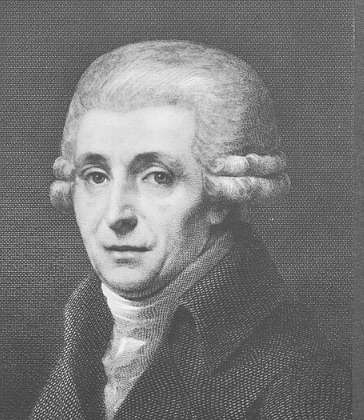
Originally a lawyer, Leslie Jones (1905-1982) established the Orchestra of London in 1957 and recorded a pile of Haydn Symphonies for the budget-priced Nonesuch label.
Its subsidiary Checkmate was a mid-priced label utilizing the Dolby noise reduction process which to my ears wasn’t all that different from regular stereo. The performances were spirited, in particular my special favorite, the Military.
Clean
A digression from several LPs – despite an often lumbering pacing and gloomy cinematography, Adrien Brody’s 2021 suspense film Clean really left a most positive impression of being a cinema classic of tremendous spiritual depth and worth rewatchings.
Brody wrote the script, produced the film and starred as the main character, a garbage truck driver in the Utica New York poor neighborhoods who goes by the name of Clean, with superb work from Glenn Fleshler as Michael, a local crime boss.
Again very, very highly recommended!
Franz Schubert
Franz Schubert’s very appealing Trout Quintet got a very good late ‘40s performance from pianist Franz Rupp and the Stross Quartet. Rupp was possibly more famous as the accompanist for Marian Anderson’s recordings of Schubert, Brahms, spirituals, etc.
For listeners new to chamber music, this piece is a good starter (Capitol P8019, derived from Germany’s Telefunken label).
Shostakovich
Dimitri Shostakovich’s 10th Symphony was composed in memory of Joseph Stalin’s millions of victims, received its Soviet premiere from Yevgeni Mravinsky and the Leningrad Philharmonic in 1953 and its U.S. premiere in 1954, at Carnegie Hall, with Dimitri Mitropoulos conducting the New York Philharmonic – one creepy moment for Mitropoulos occurred when U.N. Soviet diplomat and Stalin’s evil Moscow trials prosecutor Andrei Vishinsky came backstage to offer congratulations.
Yevgeni Svetlanov conducted a mid-’60s performance combining eloquence with savage intensity (Melodiya R-40025).
Nelson Riddle
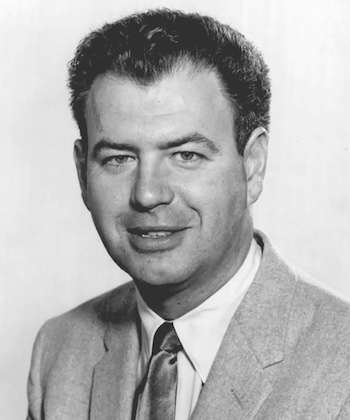
Nelson Riddle’s mid-’50s LP The Joy of Living has the kind of scrupulously subtle imaginative arrangements that distinguished his concept albums with Frank Sinatra during those peak Capitol years bearing such titles as In the Wee Small Hours of the Morning, Where are You, etc. (Capitol ST-1148).
Ravel
Ravel: Bolero; Rimsky-Korsakov: Capriccio Espagnol. Paul Paray, Detroit Symphony. Mercury MG-50020, recorded early 1950s.
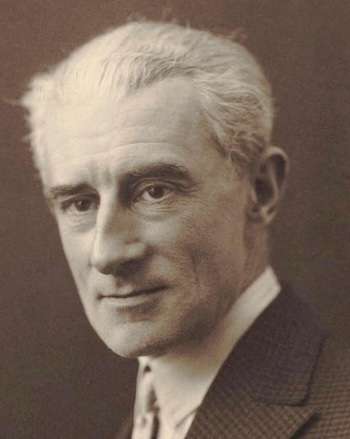
Among the old school conductors from the last century, Paul Paray (1886-1979) was the most wiry and his Detroiters followed his directions closely with very excitingly hyper active performances of these two exciting showpieces via which musicians can exhibit their virtuosity.
When Paray arrived in the automotive city, the Orchestra was at a low point but he quickly jump started it.
The Mercury engineers used a single microphone placed strategically in the concert hall which gave incredibly vivid sound to its records, often surpassing those from other major labels.
Henry Purcell

Henry Purcell (1659-1695) started composing at the age of eight , resulting in almost 350 pieces of music by the time of his early death, and was considered England’s most important composer until the 20th century of Edward Elgar, Frederick Delius, Ralph Vaughan Williams and Benjamin Britten.
I am most familiar with his operatic masterpiece Dido and Aeneas which has received numerous recordings.
A 1985 LP (Da Camera Magna SM 92211) contains several String Sonatas of a deeply moving sombre beauty and performed by the gifted Heidelberger Barockensemble.
Responsible journalism is hard work!
It is also expensive!
If you enjoy reading The Town Line and the good news we bring you each week, would you consider a donation to help us continue the work we’re doing?
The Town Line is a 501(c)(3) nonprofit private foundation, and all donations are tax deductible under the Internal Revenue Service code.
To help, please visit our online donation page or mail a check payable to The Town Line, PO Box 89, South China, ME 04358. Your contribution is appreciated!