


 by Jude Hsiang
It’s a jungle down there! The top two or three inches the soil are full of creatures living complex lives. Compared to what’s going on below our feet, films of the Africa’s Serengeti seem lonely and quiet. There are herds of plant eaters and voracious predators.
Among the billions upon billions of living things in our soil are protozoa – commonly labeled one-celled animals – that feed on the bacteria and fungi. Moving to on to larger creatures we find nematodes, tiny worms that are sometimes large enough to be seen without a microscope. Mostly beneficial, though sometimes feeding on plant roots, they eat anything smaller than themselves.
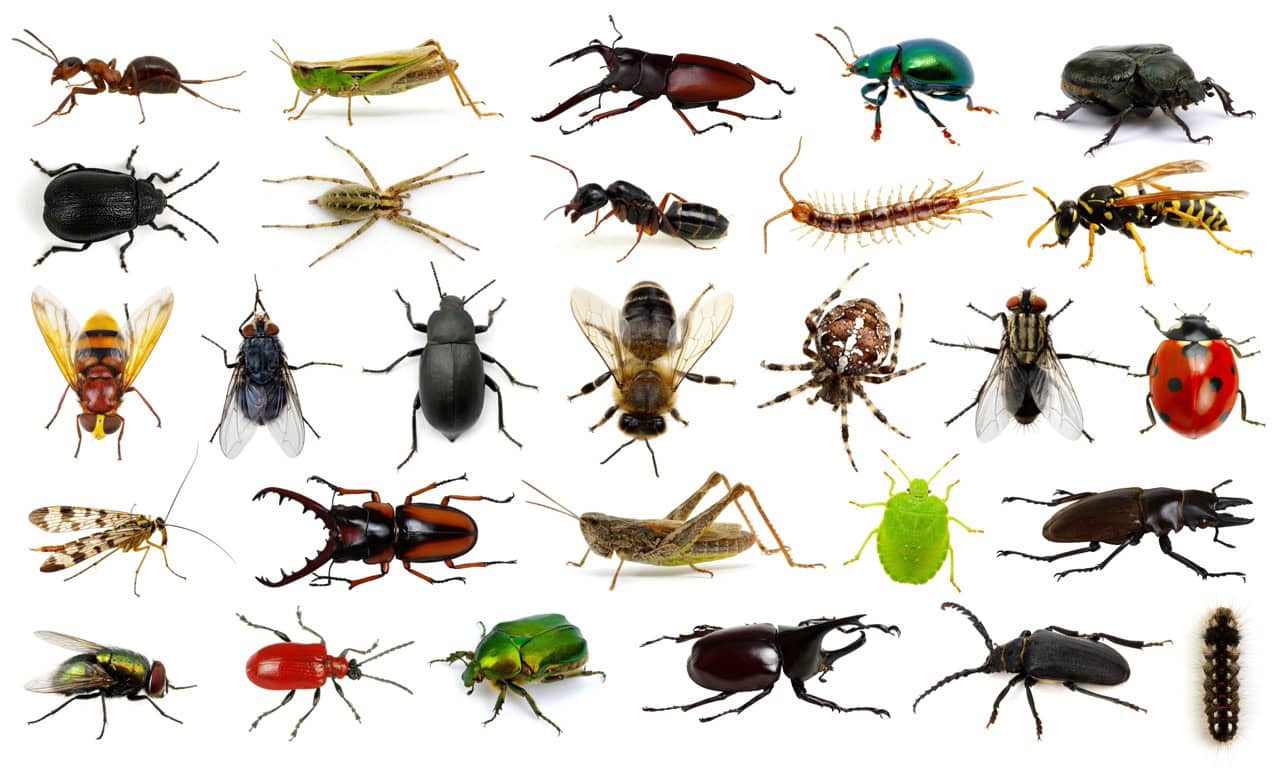
Now consider the creatures we can see and may consider to be real animals. Many are arthropods, the relatives of crabs and lobsters. They all share characteristics like exoskeletons with jointed extremities. Scientists estimate there are about 85% of all the estimated 1,800,000 species of animals on the planet are arthropods. Most are insects, but arthropods also include spiders and mites, centipedes and millipedes, and springtails
When you’re working in the garden soil you’ll see some of these critters and probably ignore them unless they are larger. You may some kinds just plain creepy. As they try to avoid your fingers and tools, they are busy about their important jobs of helping the garden grow. Of course, from their point of view, they just making a living and eating anything smaller they may find.
As these creatures go about their business of hunting and gathering, they burrow through the soil creating tiny pathways for water and air. Their droppings contain bits of organic matter from plants and small organisms. Some of these little creatures, like pill bugs millipedes specialize in shredding what they encounter, which speeds decomposition, making nutrients more available to plants.
There are predators, like spiders and mites. And there are larger insects like beetles and ants living in the soil. The young stages of many species of beetles—fat, white grubs—are some of the things that alarm us most, not just because of their appearance, but the damage a few of them can cause. The non-native ones that are the most worrisome came to the US from Asia in the last 100 or so years and, like other invasive animals and plants, have no natural enemies here, so they spread easily. They will get the attention they deserve another day.
The soil is warming and the creatures living there are awakening. We need to allow the garden soil dry enough so that we don’t compacting it by walking or tilling. The little pockets of water and air in soil are vital to the roots of our favorite plants and the beneficial organisms that help them thrive..
© Judith Chute Hsiang
Jude Hsiang is a retired University Extension Master Gardener Program instructor and member of the China Community Garden.
Responsible journalism is hard work!
It is also expensive!
If you enjoy reading The Town Line and the good news we bring you each week, would you consider a donation to help us continue the work we’re doing?
The Town Line is a 501(c)(3) nonprofit private foundation, and all donations are tax deductible under the Internal Revenue Service code.
To help, please visit our online donation page or mail a check payable to The Town Line, PO Box 89, South China, ME 04358. Your contribution is appreciated!